Dreams in Books, Film & Music
Collect works with “dream” in the title and reflect on at least three you know.
View course →Dreams in Books, Film & Music
Collect works with “dream” in the title and reflect on at least three you know.
Collect your sources
Name as many pieces of media (I.e. books, films, songs) you can with the word “dream” in the title. Collect as many as you can, don’t be afraid to do a little research and double check your sources.
Identify the pieces of media that you HAVE actually read, listened to, watched, etc.
Write your reflection
Write 500 words reflecting on at least three of your selected sources.
Some guiding reflection questions:
- How long has it been since you consumed this material?
- Was it easy to remember?
- How did you feel when you first interacted with the material? How do you feel upon revisiting it?
- Is there a particular line (I.e. lyric, quote) from the source that particularly speaks to you?
- Which of the sources would you recommend to a friend? Why?
- What was the creator’s intention when they created the piece? Do you think they were successful?
- Is there a pattern or any significance to the order in which you recalled each source?
- Do you notice any trends in the sources? Do they come from a similar time period? Genre? Do they evoke a similar feeling?
From Lists to Free Verse
Make personal lists, find connections, and turn your ideas into a free-verse poem.
View course →From Lists to Free Verse
Make personal lists, find connections, and turn your ideas into a free-verse poem.
Gather ideas
For this module, you will write a personal free-verse poem. Free verse gives you permission to move away from many of the rules you may associate with poetry. Your poem does not need to rhyme. You do not need a particular number of lines or stanzas or to follow a particular meter or structure.
Begin by making lists. Don't worry about making them neat, just write quickly and honestly:
- Things I am feeling.
- Things I know.
- Things I don't know.
- Things I miss.
- Things I am becoming.
- Things I can see.
- Things I cannot explain.
- Things I am looking forward to.
- Things I am afraid to admit I want.
- Things I have never said out loud.
Once you have compiled the lists, take a moment to notice any throughlines or connections. Which ideas seem to belong together? Is there an image that keeps appearing? Is there a contradiction or a tension worth exploring?
Write your poem
From there, begin writing your poem.
Your finished poem should be free verse, as short as a haiku or as long as a ballad. Allow yourself to write something that feels unfinished, strange, vulnerable, etc. Avoid worrying about whether your poem sounds “poetic” enough. You may write from the first, second or objective perspectives. You may even find it helpful to allow the poem to become a dialogue and write from multiple perspectives.
Remember that you are not turning this in. There is no grade and no perfect version.
If you want to improve what you've written, try reading your poem out loud. Notice where you naturally pause, stumble or emphasize a word. Those moments may reveal opportunities to revise. You can also rewrite the poem by hand or type a fresh version from scratch. Sometimes rewriting helps you discover what the poem was trying to say all along.
If you're comfortable, read it to someone you trust. You don't necessarily need them to critique it, sometimes simply hearing your own words in another person's presence can help you understand them differently.
Finding Visual Connections
Find visual parallels across images and bring them together in a collage, mood board, scrapbook, or archive.
View course →Finding Visual Connections
Find visual parallels across images and bring them together in a collage, mood board, scrapbook, or archive.
Find your parallels
Create a collage/mood board of at least 10 visual parallels. Identify two or more images you believe belong in conversation with one another OR find clear visual associations. Your images can come from anywhere, including but not limited to:
- Art history
- Film and television
- Photography
- Music videos
- Ad campaigns
- Fashion editorials
- Album covers
- Book covers
- Your own photography
Start anywhere. You might begin with a shot from a famous film that reminds you of a well-known painting. A costume that is reminiscent of a famous artwork. You might notice an advertisement that remixes a famous photograph’s composition. A fashion editorial might resemble a scene from a film. So on and so forth.
Below are some examples:
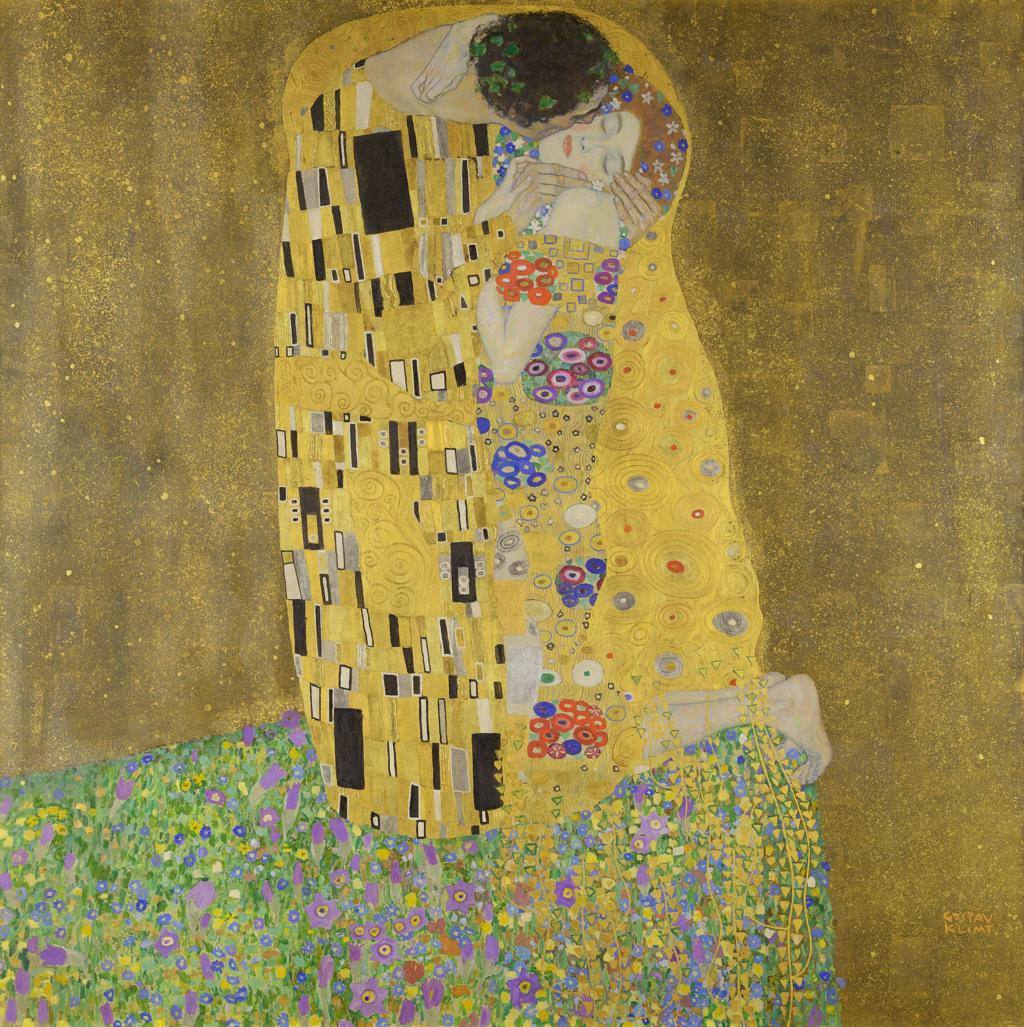
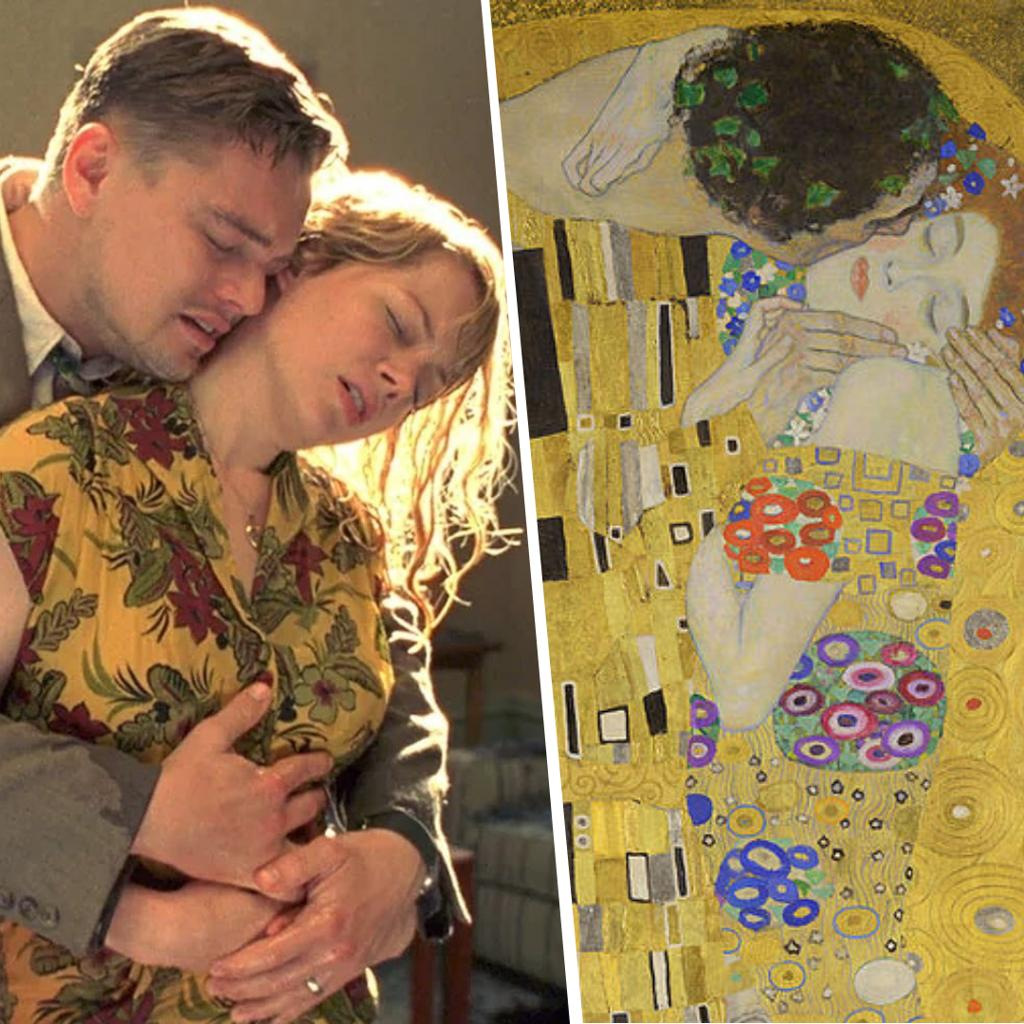
Martin Scorsese's Shutter Island (2010) features a dramatic visual reference to Gustav Klimt's The Kiss (1907).
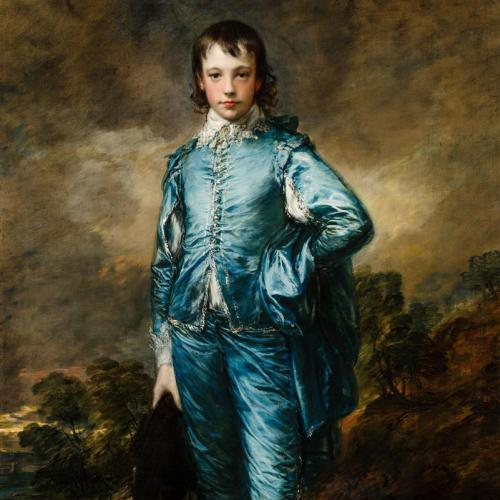
In Django Unchained (2012), Jamie Foxx's character wears an outfit modeled after the clothing depicted in Thomas Gainsborough's The Blue Boy (1770).
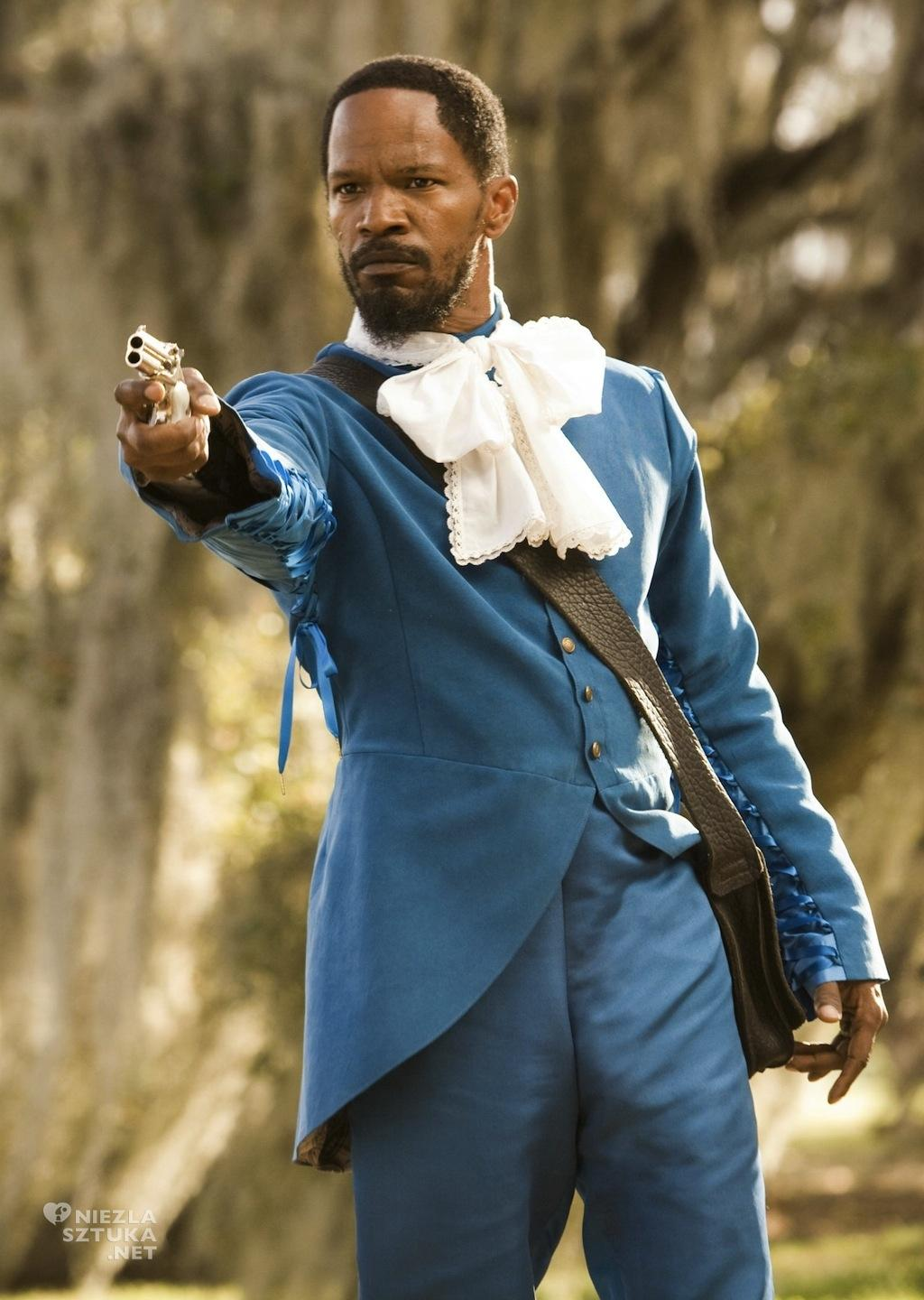
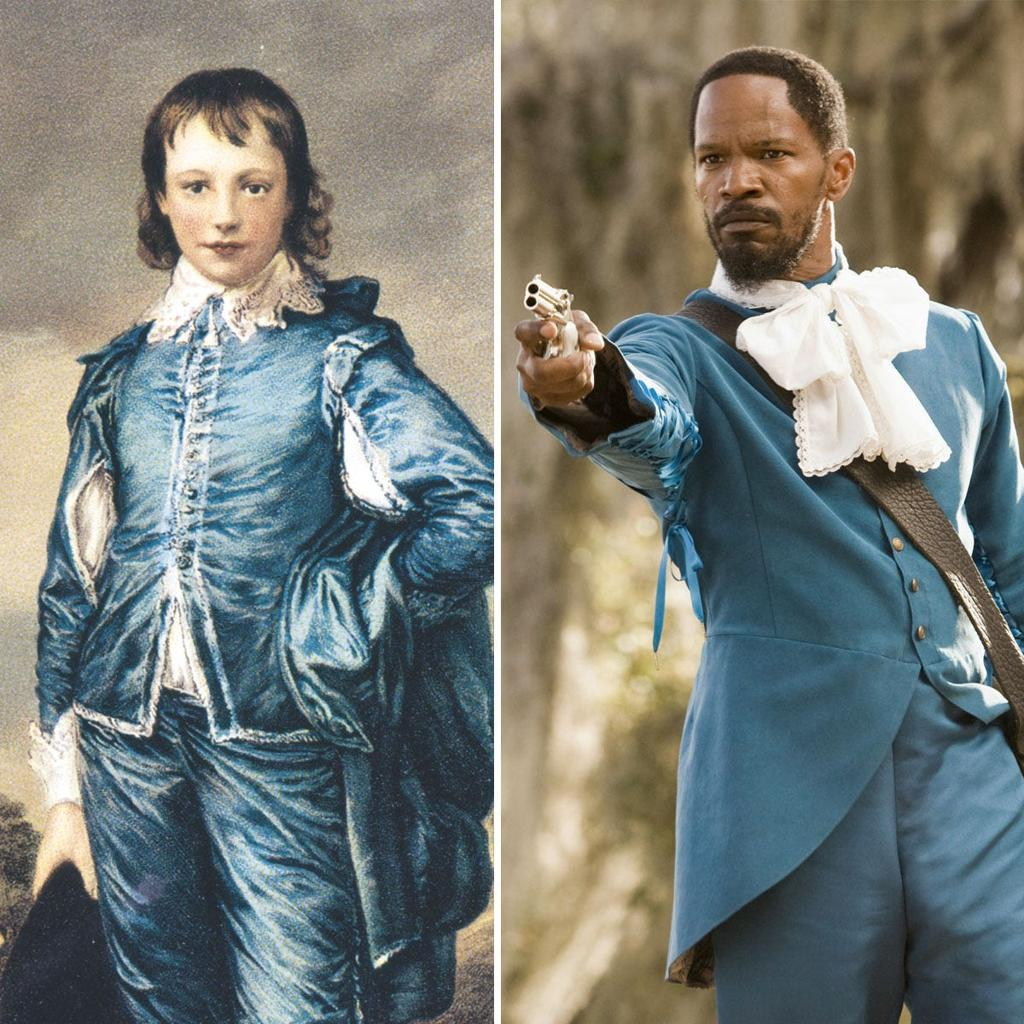
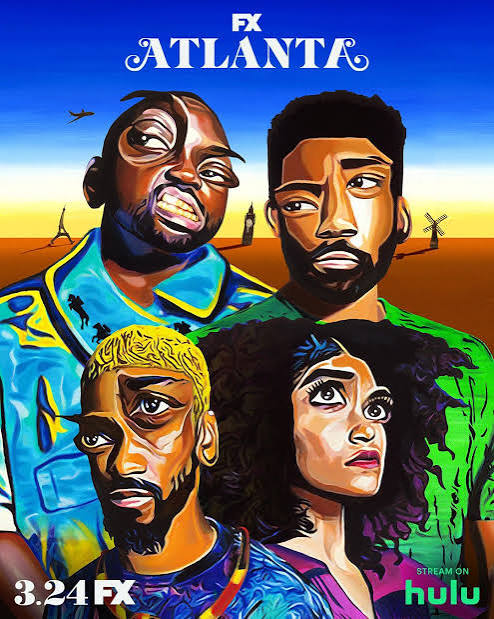
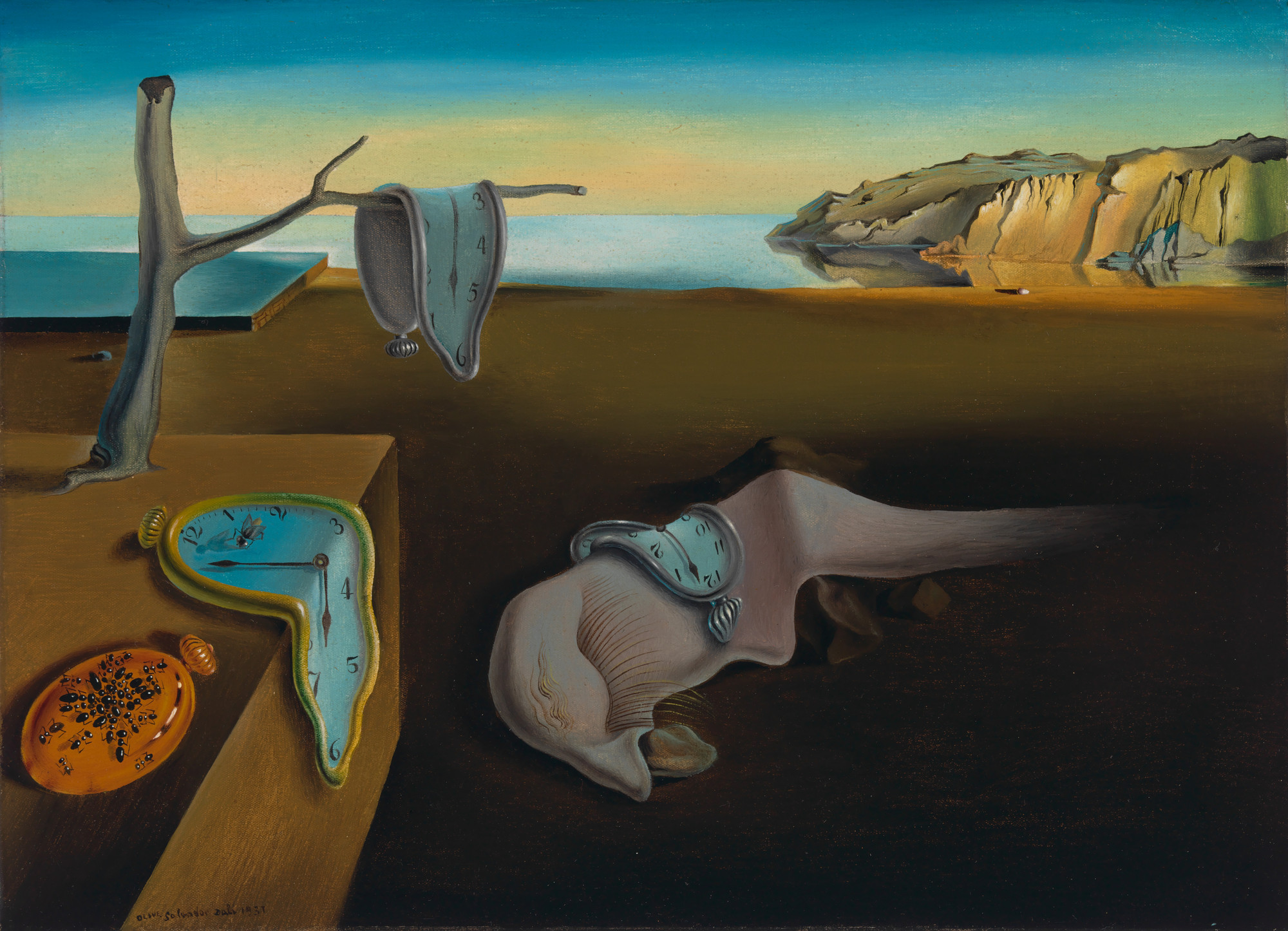
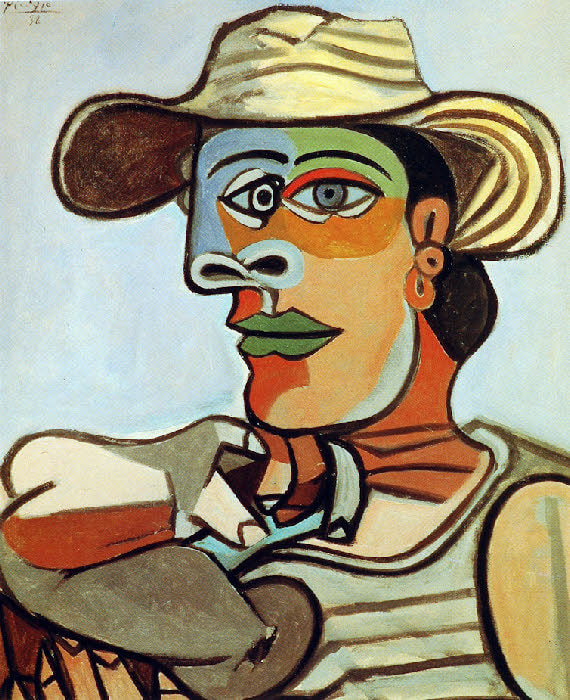
The promotional poster for season four of Atlanta was designed by artist Alim Smith and directly referenced the surrealist works of Salvador Dali and the cubist portraits of Pablo Picasso.
Build your collection
Your final product can be in the form of a:
- Digital Mood Board: Use Canva, Pinterest, Photoshop, Illustrator, PowerPoint or whatever visual tool you are familiar with.
- Digital Collage: Don’t simply place images beside one another, but experiment with layering, cropping, repetition, transparency, scale and composition.
- Physical Scrapbook: Print or collect your images IRL and create a physical project.
- Visual Archive: Create a simple folder or album containing your pairings. This is ideal if you want to focus more on collecting and researching than designing a finished composition.